Wet-Hulled vs Full-Washed: Understanding Indonesian Coffee Processing
October 28, 2024 · Sooca Coffee
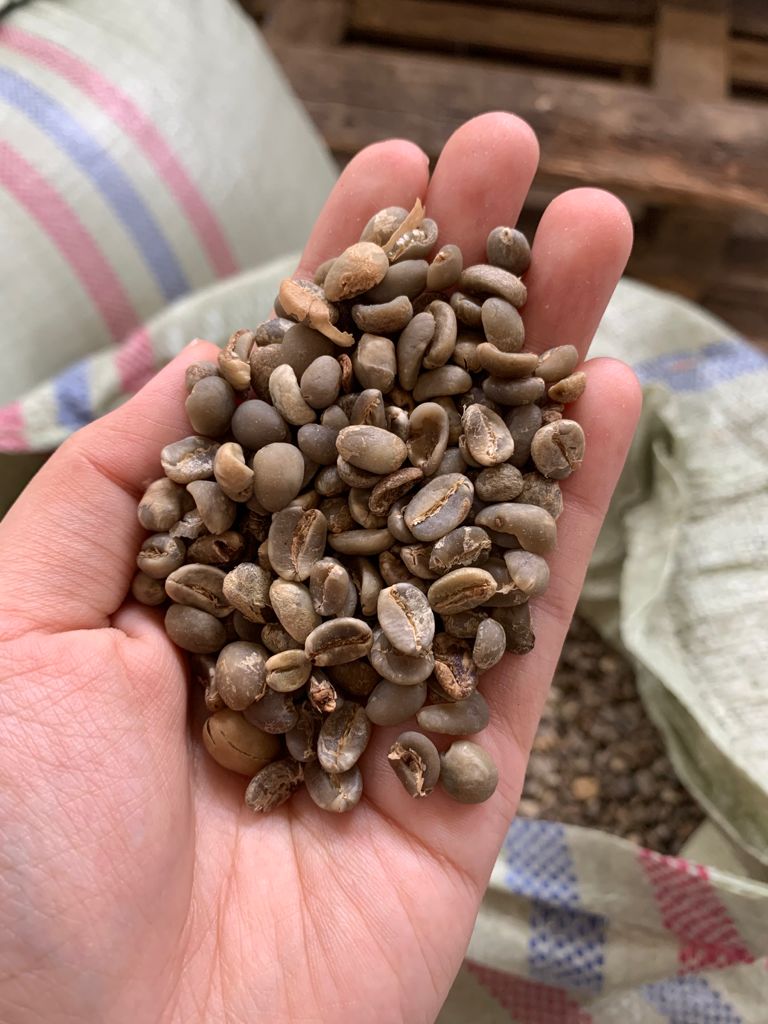
Why Processing Matters
The processing method — how you remove the fruit from the coffee seed — is one of the most significant factors shaping flavour. For Indonesian coffees, understanding the difference between wet-hulled (Giling Basah) and full-washed processing is essential for buyers and roasters.
Wet-Hulled (Giling Basah)
Wet-hulled processing is unique to Indonesia, and it explains much of what makes Indonesian coffees distinctive on the global market.
The process:
- Freshly picked cherries are pulped to remove the skin
- The mucilage is fermented and washed off
- The coffee is dried with the parchment still on — but only to about 30–35% moisture
- The parchment is then removed early (while still wet), exposing the soft, vulnerable green bean
- The bean is dried again to export moisture of 11–13%
The result: This double-drying creates the signature Indonesian profile — earthy, herbal, full-bodied, low-acid. The early parchment removal allows the bean surface to oxidize and take on ambient flavours from the drying environment.
Common origins using wet-hulled: Gayo, Mandailing, Toraja, most Sumatran coffees
Full-Washed
Full-washed (also called wet process) is the same method used in Ethiopia, Colombia, and most other specialty-producing countries.
The process:
- Cherries are pulped
- Mucilage is fully removed through extended fermentation (18–36 hours) and washing
- Coffee is dried in parchment until reaching 10–12% moisture
- Parchment is hulled at a dry mill
The result: Cleaner, brighter, more fruit-forward coffees. Washed Indonesian coffees retain origin character but present it with greater clarity and acidity than their wet-hulled counterparts.
Common origins using full-washed: Kintamani (Bali), some Gayo lots, Java Preanger
Which Should You Choose?
| | Wet-Hulled | Full-Washed | |---|---|---| | Body | Full, heavy | Medium | | Acidity | Low | Medium-high | | Flavour | Earthy, herbal, chocolate | Fruit, floral, tea-like | | Best for | Espresso, dark blends | Filter, single origin |
At Sooca Coffee, we offer both processing methods across most origins. Contact us to discuss which profile fits your roastery's needs — we're happy to send samples of both for comparison cupping.